Introduction
The global oral care industry, with toothpaste as its flagship product, is undergoing significant transformation driven by evolving consumer preferences, technological innovation, and dynamic B2B collaboration models. According to Statista, the global toothpaste market was valued at over USD 20 billion in 2023 and is projected to grow at a CAGR of 4.8% through 2030. In China alone, the oral care segment saw sales exceeding RMB 50 billion, highlighting the immense potential and competition within this sector.
This article aims to provide a comprehensive analysis of the toothpaste manufacturing industry, focusing on its current landscape, technological advancements, and strategic B2B opportunities. It is crafted for distributors, procurement managers, and industry decision-makers seeking actionable insights and collaboration avenues to thrive in an increasingly competitive market.
Part I: Market Landscape and Competitive Environment
Global and Domestic Market Overview
The toothpaste market continues to experience steady growth, bolstered by rising awareness of dental hygiene and increasing demand for functional and premium products. Major markets include North America, Europe, and the Asia-Pacific region, with China and India being significant growth engines.
Market Size and Growth Trends
- Global market value (2023): USD 20.5 billion
- Expected CAGR (2023-2030): 4.8%
- Asia-Pacific share: Over 40% of global revenue
Industry Standards and Challenges
Manufacturers must comply with strict regulations regarding formulation, safety, and efficacy. Key standards include:
- ISO 11609:2022 (Dentifrices – Requirements, test methods, and marking)
- FDA and CFDA compliance for fluoride and other active ingredients
Challenges include:
- Rising raw material costs (e.g., sorbitol, silica)
- Supply chain disruptions post-COVID
- High market saturation in urban areas
Market Segmentation and Key Players
Toothpaste products are increasingly diversified into:
- Whitening Toothpaste
- Herbal/Natural Toothpaste
- Anti-sensitivity Products
- Children’s Toothpaste
Leading Brands:
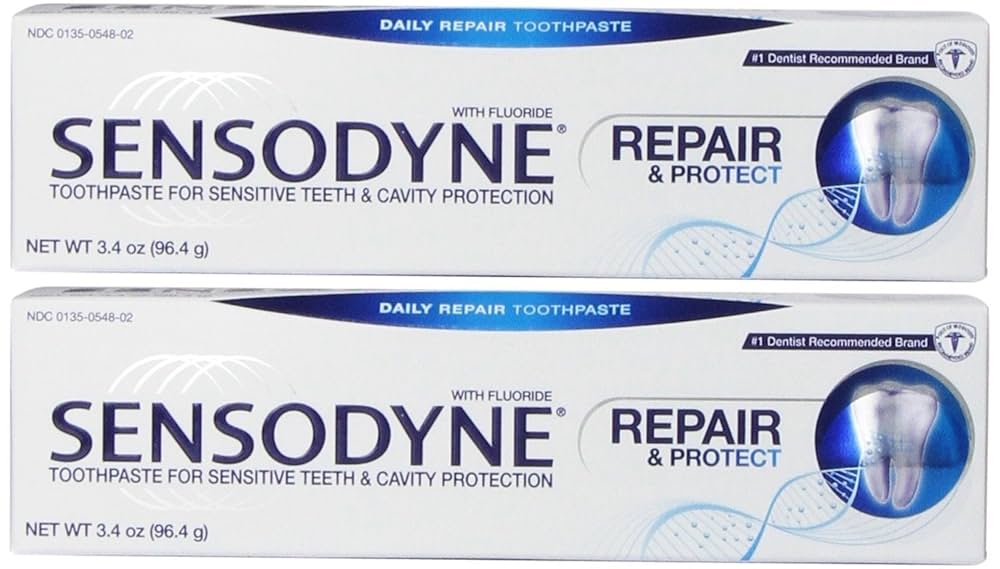
- Global: Colgate-Palmolive, P&G (Crest), Unilever (Signal), GlaxoSmithKline (Sensodyne)
- China: Yunnan Baiyao, Saky, Darlie (Hawley & Hazel)
Emerging players and DTC (Direct-to-Consumer) brands are also reshaping the competitive landscape, leveraging digital channels and niche positioning.
Part II: Technological Innovation and Manufacturing Advancements
Modern Toothpaste Formulation Techniques
Formulation is a key area of innovation, especially in enhancing product performance and safety. Current trends include:
- Hydroxyapatite-based remineralization
- Probiotic-infused formulations
- Fluoride alternatives (e.g., nano-calcium carbonate)
- Essential oil and botanical extracts
Smart Manufacturing and Quality Control
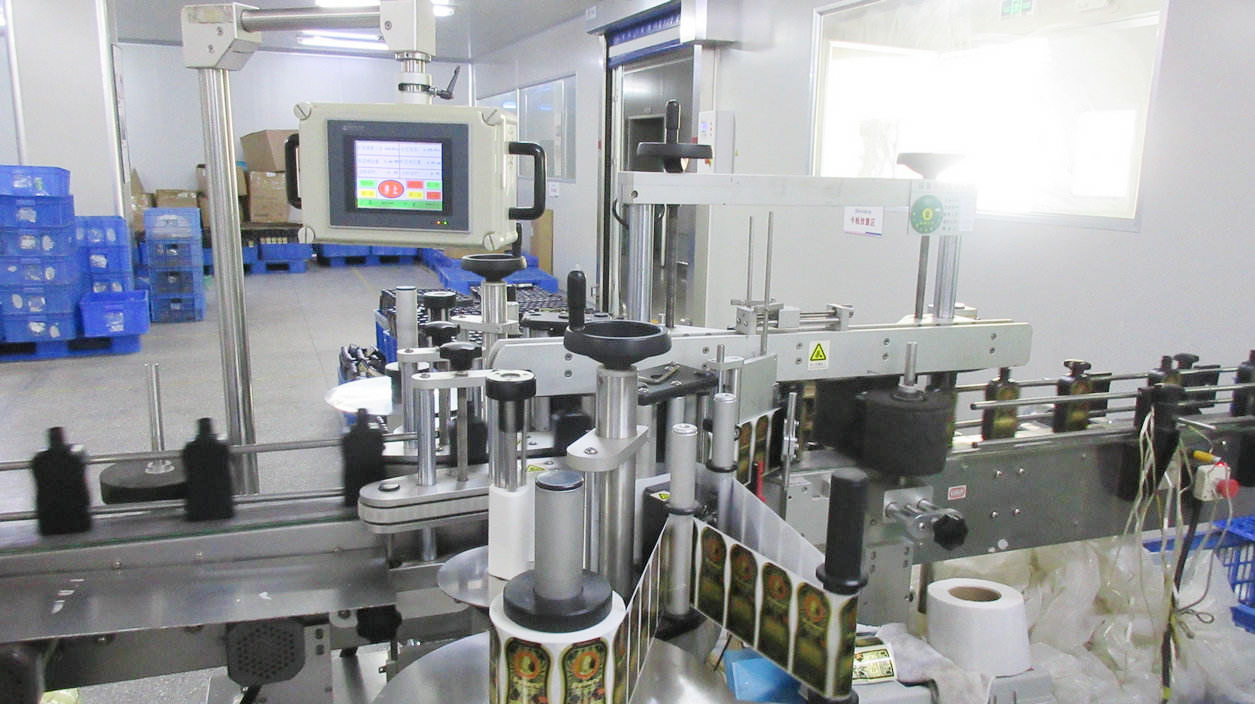
Automation and digitalization have revolutionized toothpaste production. Smart factories utilize:
- IoT-enabled production lines
- AI-driven defect detection and quality assurance
- Predictive maintenance systems
These technologies enhance productivity, reduce waste, and ensure consistent product quality.
Sustainability and Green Innovation
Environmental concerns are prompting manufacturers to adopt sustainable practices, such as:
- Eco-friendly packaging (biodegradable tubes, recyclable materials)
- Sustainable sourcing (RSPO-certified palm oil)
- Water and energy-efficient processes
Brands embracing ESG (Environmental, Social, and Governance) principles are gaining favor among both consumers and B2B partners.
Part III: B2B Sales Strategies and Channel Expansion
Traditional vs. Emerging Sales Channels
Traditional retail partnerships remain vital, but newer avenues are gaining traction:
- E-commerce platforms (Alibaba, JD.com, Amazon B2B)
- Cross-border trade platforms
- Pharmacy and clinic channels
Each channel requires a tailored product mix, pricing, and promotional strategy.
Digital Marketing and CRM Integration
B2B sellers are leveraging digital tools to enhance sales efficiency:
- CRM platforms (Salesforce, Zoho CRM)
- Precision targeting via big data and AI analytics
- Automated B2B order systems and dashboards
Case in point: A mid-sized Chinese OEM partnered with a CRM vendor to improve reorder rates by 23% through automated follow-ups and customer segmentation.
Co-branding and Private Labeling
Toothpaste manufacturers increasingly offer:
- White-label solutions for retail chains
- Custom formulas for dental clinics and wellness brands
These collaborative models help differentiate offerings and build long-term partnerships.
Part IV: Case Studies and Industry Benchmarks
Case Study 1: Yunnan Baiyao’s Functional Leadership
Background: A heritage TCM brand, Yunnan Baiyao successfully entered the oral care sector with medicated toothpaste.
Strategy:
- Leveraged patented TCM ingredients
- Partnered with dental clinics for trials
- Adopted omnichannel distribution (offline + e-commerce)
Results:
- Became one of China’s top 3 toothpaste brands within 5 years
- Over RMB 3 billion in annual toothpaste sales
Case Study 2: Hello Products (USA) – Sustainability Pioneer
Background: A DTC brand focusing on natural, vegan oral care products
Strategy:
- Used fully recyclable packaging
- Targeted environmentally conscious millennials via Instagram & YouTube
- Collaborated with Whole Foods and Target for retail expansion
Results:
- Acquired by Colgate in 2020
- Grew from $0 to $40M in revenue within 6 years
Case Study 3: Darlie (China & SEA Market)
Background: Long-standing brand with regional dominance
Strategy:
- Tailored flavors and marketing to Southeast Asian tastes
- Launched premium whitening sub-brands for middle-class consumers
- Adopted cross-border e-commerce expansion
Results:
- Maintains >20% market share in Taiwan, Singapore, and Malaysia
Part V: Future Trends and Strategic Recommendations
Future Directions in Product Development
- Functional Toothpaste: Targeting specific issues like enamel repair, gum health, or sleep-friendly formulas
- Natural & Organic: Demand for chemical-free and cruelty-free products is rising
- Smart Oral Care: Integration with apps and smart toothbrushes for tracking oral hygiene
Strategic Advice for B2B Stakeholders
- Invest in R&D for unique formulations that cater to niche consumer needs
- Digitize operations to streamline procurement and customer service
- Pursue ESG compliance to attract premium retailers and export partners
- Co-create with clients through white-label services and OEM partnerships
Risk Management
- Regulatory Uncertainty: Stay updated with changing FDA/CFDA policies
- Supply Chain Volatility: Build multi-source procurement models
- Consumer Fatigue: Use data to track trends and refresh SKUs accordingly
Conclusion
The toothpaste manufacturing industry is ripe with opportunity for those ready to innovate, collaborate, and adapt. From advanced production techniques to data-driven B2B marketing, the key to growth lies in embracing transformation while anchoring on quality and trust. Distributors, procurement officers, and brand partners can gain a competitive edge by aligning with manufacturers that prioritize sustainability, digital integration, and market responsiveness.
By strategically navigating this evolving landscape, stakeholders in the oral care industry can forge resilient partnerships and capture growth across global and local markets alike.