Comprehensive Guide to Oral Care: Best Practices, Products, and Industry Insights
Oral care is an essential part of daily life that often goes unnoticed. From brushing to flossing, the way we care for our teeth and gums directly impacts our health, self-esteem, and overall well-being. In this comprehensive guide, we will delve into the world of oral care, including its importance, the best practices to maintain healthy teeth and gums, the oral care products available, and the market’s current state. Whether you’re a dental professional, a brand new to oral care, or just seeking better ways to maintain your smile, this article will provide you with all the information you need.
Why Oral Care Matters
Oral care plays a vital role in preventing a range of health issues, from cavities to gum disease. Proper oral hygiene prevents plaque buildup, which can lead to tartar and eventually tooth decay. Good oral care is not just about keeping your smile fresh; it also reduces the risk of more serious health complications such as heart disease, diabetes, and respiratory issues. Research has shown that gum disease, in particular, has links to various systemic health problems, which makes maintaining oral health crucial.
Regular oral care involves brushing at least twice a day, flossing, and visiting a dentist for check-ups. Yet, many people don’t follow these basic steps, and some may not even be aware of the importance of these habits.
Key Oral Care Guidelines for Healthy Teeth and Gums
1. Brushing Your Teeth: The foundation of good oral care begins with brushing. Dentists recommend brushing your teeth at least twice a day – once in the morning and once before bed. This helps remove food particles, plaque, and bacteria from your teeth and gums. The American Dental Association (ADA) suggests using a soft-bristled toothbrush with fluoride toothpaste to ensure your teeth are cleaned thoroughly without causing gum damage.
2. Flossing: Flossing is just as essential as brushing. It helps remove food particles and plaque that your toothbrush can’t reach, especially between your teeth and along the gum line. Dentists advise flossing at least once a day to keep your gums healthy and reduce the risk of gum disease.
3. Mouthwash: Mouthwash can help kill bacteria and freshen your breath. Choose a mouthwash that contains fluoride to help prevent tooth decay. Mouthwash can also reduce the amount of plaque on your teeth and reduce gum inflammation.
4. Eating a Balanced Diet: What you eat affects your teeth. Consuming a diet rich in calcium, phosphorus, and vitamins, especially vitamin D, can help maintain strong, healthy teeth. Avoid sugary snacks and drinks, as they contribute to tooth decay. Drinking water regularly also helps rinse your mouth and neutralize acids that lead to plaque.
5. Regular Dental Visits: Even with proper at-home care, regular dental check-ups are necessary to detect potential problems early on. Dentists can professionally clean your teeth, perform a detailed exam, and provide personalized advice to keep your smile in top condition.
Common Oral Care Products and Their Benefits
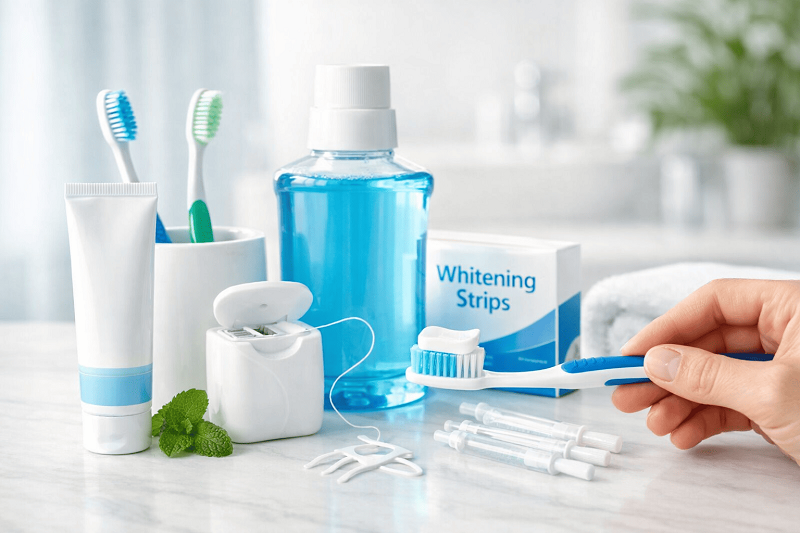
To maintain optimal oral health, there are various products available in the market. These include toothbrushes, toothpaste, mouthwash, dental floss, and other specialized treatments. Below is a list of common oral care products and their benefits.
Toothbrushes
Toothbrushes are the cornerstone of oral hygiene. There are various types available, from manual to electric models. Electric toothbrushes have been shown to provide a more effective cleaning experience by reducing plaque buildup and gingivitis. Look for toothbrushes with soft bristles to avoid damaging gums and enamel.
Toothpaste
Toothpaste plays a critical role in oral care by preventing cavities, reducing plaque, and freshening your breath. The fluoride in most toothpaste brands helps to remineralize your enamel and prevent tooth decay. There are also specialized toothpaste formulas available for sensitive teeth, whitening, and gum health.
Dental Floss
Flossing is crucial for cleaning the spaces between your teeth. Dental floss helps remove food debris and plaque that your toothbrush can’t reach. There are also alternatives to traditional floss, such as floss picks and water flossers, which are effective for cleaning between teeth, especially for those with braces.
Mouthwash
Mouthwash not only freshens your breath but also helps to prevent gum disease and tooth decay. Some types contain fluoride, which strengthens tooth enamel, while others focus on reducing bacteria and plaque.
Teeth Whitening Products
Whitening toothpaste, strips, gels, and professional treatments help to remove surface stains caused by coffee, tea, or smoking. It’s essential to use these products safely to avoid damaging your enamel.
Special Oral Care Products for Specific Needs
There are also specific products designed for individuals with unique oral care needs, such as orthodontic appliances, dentures, or those with dry mouth. For example, toothpaste for sensitive teeth is formulated with compounds that reduce discomfort caused by hot and cold foods.
Oral Care Market Trends
The global oral care market has seen significant growth over the past few years, driven by increased awareness about oral health, innovative product developments, and the rising popularity of natural and organic oral care products. According to recent studies, the global oral care market size was valued at approximately USD 40 billion in 2020, and it is expected to grow further in the coming years.
One notable trend in the market is the increasing demand for organic and fluoride-free products. Consumers are increasingly looking for toothpaste and mouthwashes that are free from harsh chemicals and synthetic ingredients, opting for natural alternatives instead. This shift toward organic and sustainable oral care is expected to continue as environmental and health concerns grow.
At a Minimum, How Often Should Oral Care Be Performed?
The question of how often oral care should be performed is essential for maintaining good health. The basic guideline is to brush at least twice a day, once in the morning and once before bed, and to floss at least once daily. Additionally, regular visits to the dentist every six months are recommended for professional cleanings and check-ups.
Although some people might find it unnecessary to floss daily, doing so reduces the risk of gum disease and tooth decay. It’s important to remove plaque from the areas between your teeth, where toothbrushes can’t reach.
The Oral Care Market: A Global Overview
The oral care industry is booming, with a wide variety of oral care products and treatments on the market. Leading companies in the industry, such as Procter & Gamble, Colgate-Palmolive, and Unilever, are continually innovating to offer consumers new and improved products. From specialized toothpaste and toothbrushes to advanced whitening treatments, the market has seen continuous expansion.
Additionally, many brands are focusing on personalization, offering consumers the option to customize their oral care products to their unique needs. For example, some companies now offer toothpaste with personalized ingredients, such as activated charcoal for whitening or enamel-strengthening ingredients for those with sensitive teeth.